Wired home automation systems use physical cables to connect devices, and they offer some solid advantages. First off, you’ll enjoy a strong and stable connection. No more worries about Wi-Fi dropping out, especially if you have a ton of devices online. This stability is perfect for things like security cameras or smart locks, where consistent connectivity is key.
Installation might take a bit of work, though. Your home might need some rewiring if you’re not starting fresh. But once everything’s set up, maintenance is pretty straightforward. Wired systems tend to be more reliable and often don’t need the constant updates that wireless ones do. You can usually expect them to last a long time without hiccups.
Another perk? Wired systems can handle lots of devices without suffering from sluggish performance. If you have a big home with lots of smart gadgets, this is a huge plus. You won’t notice any slowdowns even when everything’s running simultaneously.
On the flip side, flexibility is where wired systems can fall short. If you want to move devices around or add new ones, it can be a hassle. You’ll have to deal with cables and possibly some tools. So if you're the type who likes to change things up often, that might be a downside to consider.
Understanding WiFi Home Automation
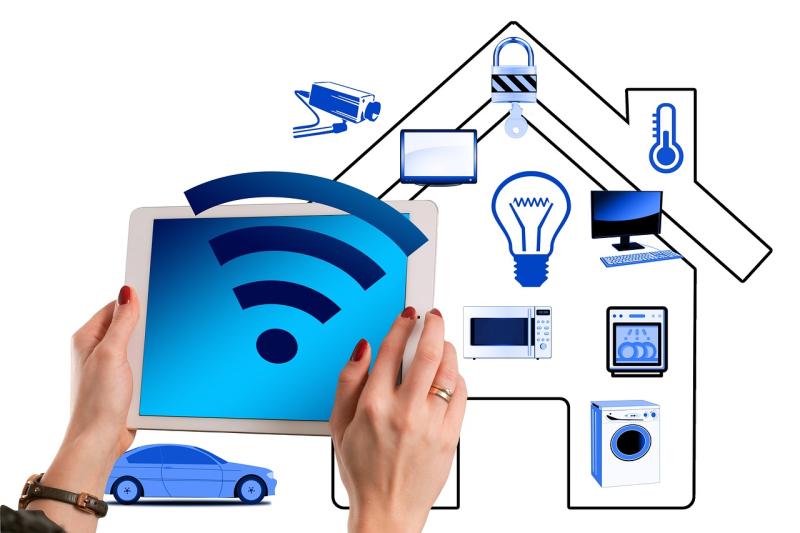
WiFi home automation is all about keeping your smart home connected without needing any messy wires. Think about how easy it is to set up; you just plug in your devices and connect them to your WiFi network. That means no drilling holes or running cables through walls. You can control everything from smart lights to security cameras right from your smartphone.
One of the big perks of using WiFi for your home automation is convenience. You can access your devices from anywhere, whether you're at home or on the go. Got a smart thermostat? You can change the temp while you're out shopping. That kind of access makes life a lot easier.
But it’s not all sunshine and rainbows. WiFi can sometimes be a bit finicky. If you have a lot of devices connected, your network might get bogged down or experience lag. Plus, if your internet goes out, so does your smart home. It’s essential to consider how robust your WiFi is and whether it can handle all your smart gadgets.
Before diving into WiFi home automation, take a peek at your current router. Are you ready to upgrade? A router with strong range and speed can make a world of difference. It can mean the difference between a connected home and a frustrating experience.
Comparing Reliability of Wired and WiFi
When it comes to home automation, the choice between wired and WiFi can be a big deal, especially when you’re looking for reliable connections. Let’s break it down.
Wired Connections: Wired systems use cables, so they tend to be super stable. You won’t have to worry about interference from walls or other devices. Once it’s installed, you can count on it to work consistently. Plus, a wired system usually offers faster speeds, which means less waiting for your automated devices to respond.
WiFi Connections: On the flip side, WiFi is all about convenience. You can set it up anywhere without running cables all over your house. However, the reliability can dip in large homes or areas with thick walls. If your signal gets weak, those smart lights or security cameras might lag or drop out when you need them most. If you have a lot of devices running on the same network, it can slow things down too.
For bigger homes or setups with lots of gadgets, wired might be the way to go for dependable performance. If you love the flexibility of WiFi and don’t mind the occasional hiccup, it could work well for you. Think about what really matters for your home automation setup before making your choice.
Choosing the Right Fit for You
When you're diving into the world of home automation, choosing between wired and Wi-Fi options can feel a bit overwhelming. But it doesn't have to be! The key is to figure out what fits your lifestyle and needs best. Let's break it down.
If you’re looking for reliability and speed, wired systems often take the cake. They offer a stable connection, which means less lag, especially for those of you with a lot of smart devices. This is super handy if you have security cameras or smart speakers that need to work flawlessly. Plus, you won't have to worry about Wi-Fi dead zones messing up your connectivity.
On the flip side, if convenience and flexibility are at the top of your list, Wi-Fi devices might be the way to go. They’re easy to install without needing to run cables. You can set them up just about anywhere in your home. This is perfect if you love rearranging your furniture often or want to avoid drilling holes into your walls.
Another thing to think about is your smart home ecosystem. Some devices play nicer with wired setups, while others are designed specifically for Wi-Fi. Check compatibility before you make a decision. It's worth it to do a little research to ensure all your gadgets will work seamlessly together.
Ultimately, it comes down to your needs. If you want a tightly integrated system that won’t drop connections, wired is your friend. But if you’re all about flexibility and ease, go for Wi-Fi. Happy automating!