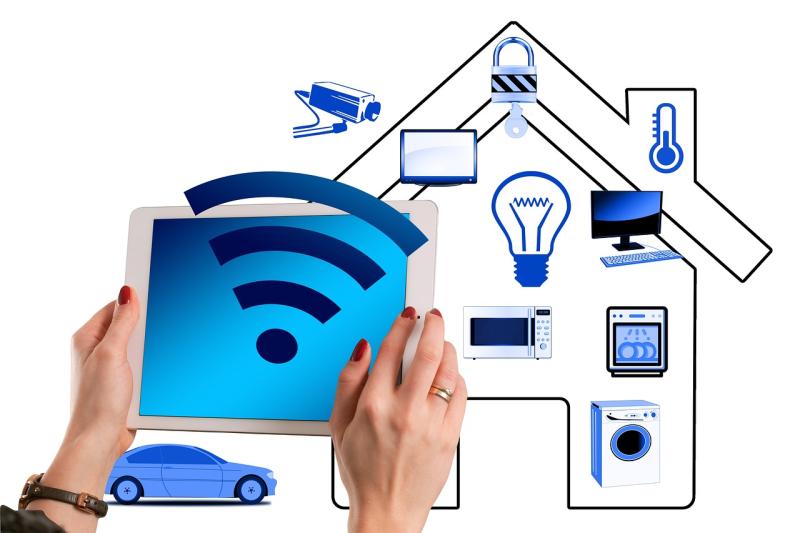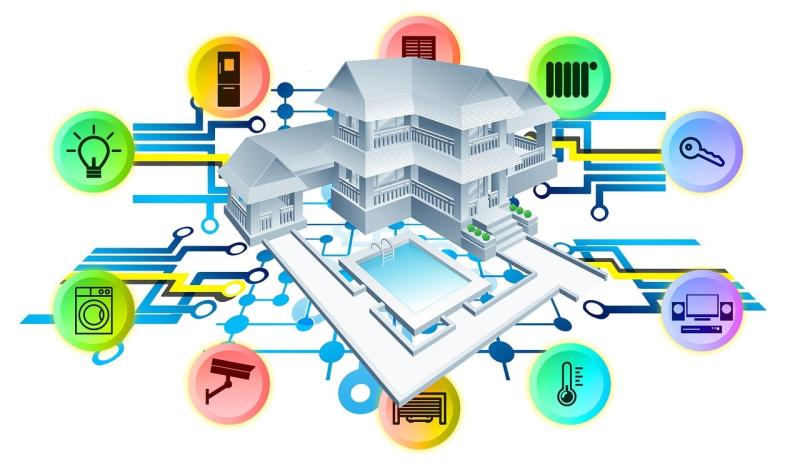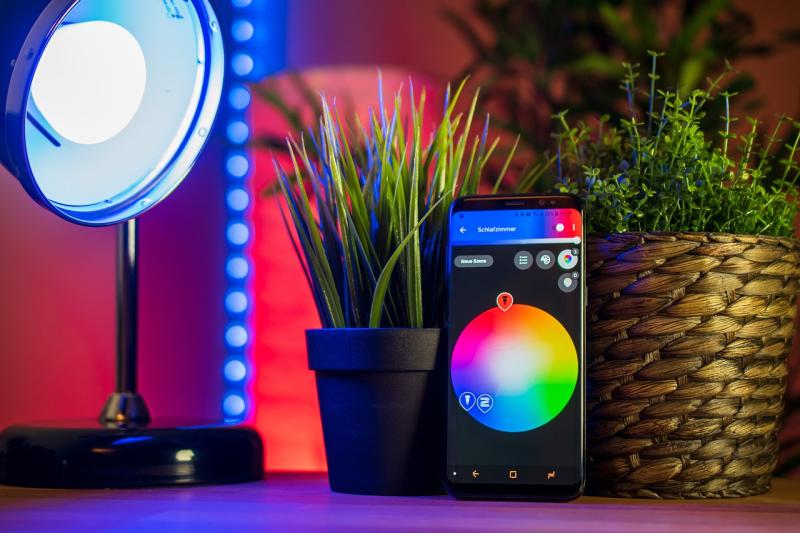
WiFi home automation devices have taken the smart home scene by storm. Why? Because they’re super easy to set up and use. With just a quick connection to your WiFi, you can control everything from lights to cameras right from your phone. No messy wires to deal with means you can place devices almost anywhere.
One of the best parts about WiFi devices is the flexibility they offer. You can easily add new devices as your needs change. Want to set up smart lights in your living room or a thermostat that knows when to kick on? Just grab your phone, connect to the WiFi, and you’re good to go. No professional installation required!
Another benefit is the convenience of remote access. As long as you have an internet connection, you can control your home from anywhere. Whether you're at work or on vacation, you can check in on your devices, adjust settings, or even turn things on and off for peace of mind.
But it's not all sunshine. Since these devices rely on WiFi, if your network goes down, so do your smart gadgets. This isn’t usually a big deal, but it's something to think about if you live in an area with spotty internet. Also, make sure you have a strong WiFi signal in every room where you want to use smart devices.
Wired Devices and Their Benefits
If you’re thinking about setting up home automation, wired devices can be a solid choice. They connect directly to your network through cables, which means they usually have a stable and reliable connection. This can be a big plus if you want devices that work without interruptions. No need to worry about Wi-Fi dead zones or signal drops!
One of the best things about wired devices is their speed. They often provide faster data transfer than wireless options, which is great for activities like streaming security camera feeds or controlling multiple smart devices at once. Less lag can mean a smoother experience when you need your home automation systems to respond quickly.
Stability is another major benefit. Wired connections tend to be less susceptible to interference from other devices or obstacles in your home. This is perfect for setups where you want peace of mind, like monitoring your home while you’re away. Knowing that your cameras and sensors are always connected can be really reassuring.
Wired devices can also offer better security. Since they aren’t broadcasting a signal, they can be tougher for hackers to access compared to Wi-Fi devices. If security is a top concern for you, going wired can add an extra layer of protection.
Of course, installation can be a bit tricky. Running cables around your home might require some extra effort, but the benefits of stability, speed, and security can make it worth it. If you’re serious about home automation, these wired solutions could really enhance your setup.
Comparing Connectivity Options for Smart Homes
When diving into home automation, one of the first things you’ll think about is how your devices connect. We’ve got two main players in the game: Wi-Fi and wired options. Each has its perks, so let’s break it down!
Wi-Fi devices are super popular because they’re easy to set up. Most folks already have Wi-Fi at home, so connecting new gadgets is usually a breeze. Just download the app, follow the prompts, and you’re good to go. Plus, you can control everything from your smartphone, whether you’re on the couch or halfway around the world. But here’s the catch—Wi-Fi signals can get weak in larger homes or areas where there are obstacles like walls. If you have a lot of devices hogging your bandwidth, you might run into some lag.
Now, wired connections are a different ball game. They’re all about stability and speed. If you’re looking for a reliable setup, especially for things like security cameras or smart speakers, going wired can save you a lot of headaches. Once everything's connected, you don’t have to worry about interference or dropped signals. The downside? It takes some time and effort to run cables throughout your home. If you want a neat setup, it might mean more planning upfront.
So, what’s the verdict? If you want convenience and flexibility with a straightforward setup, Wi-Fi is your friend. But if you’re all about reliability and don’t mind a little extra work, go for the wired option. Think about your own needs, the size of your place, and how many devices you plan on connecting before making a decision.
Choosing What Works Best for You
When it comes to home automation, you’ve got two main options: WiFi and wired devices. Each has its own perks, and which one is best for you really depends on how you plan to use them.
If you want convenience, WiFi devices are often the way to go. They connect to your existing internet network, making installation a breeze. You can control them from anywhere using your smartphone or tablet. Plus, there are tons of options out there, from smart lights to security cameras. Just make sure you have a strong WiFi signal throughout your home to avoid any hiccups.
On the flip side, wired devices can offer some serious advantages, especially in larger homes. They tend to be more reliable since they’re not affected by WiFi signal drops. You won’t need to worry about maintaining a strong connection. Wired setups can provide a more secure connection as well, which is a big deal if you're using security devices.
Think about your lifestyle and how tech-savvy you are. Do you want quick setup with tons of flexibility? Go for WiFi. Want something solid and dependable? Consider wired options. Either way, pick what aligns best with your needs. Experiment a bit so you can find the combo that makes your smart home work smoothly!